
Connect Now
Service & Support:
- Follow-up from a licensed broker within 24 hours
- Policy Review and Comparison
- Risk Assessment
- Help with certificates of insurance, policy changes and contract reviews
- Renewal planning well before your policy expires
Snow Removal and Snow Plow Insurance in Ontario
Snow Removal Insurance (often called snow plowing insurance or snow plow insurance) is designed to protect your business, your vehicles, and your contracts when winter work does not go as planned. At CommercialInsurance.ca, we connect snow removal operators across Ontario with licensed brokers who can secure coverage that matches what they do and support them if they ever need to file a claim.
How CommercialInsurance.ca works
We are not an insurer or a broker. We find you the right one.
Matched by industry
We connect you with a broker who works with businesses like yours, not a generic call centre.
Licensed Ontario brokers
Insurance brokers in Ontario are licensed by the Registered Insurance Brokers of Ontario (RIBO).
Fast follow up
Once we receive your information, a professional in our network will connect with you within 24 hours.
No cost to be matched
Our referral service is free for businesses. You deal directly with the broker for quotes and coverage.
Understanding Snow Plow Insurance
What is Snow Removal Insurance?
Snow removal insurance is a tailored business insurance package built for contractors who plow, shovel, blow, salt, or otherwise maintain winter conditions on residential, commercial, or public properties. It is designed for winter property maintenance businesses because snow and ice create risky situations and real liability.
A typical snow removal insurance program can combine multiple coverages, such as commercial general liability, commercial auto, tools and equipment, and optional additions depending on your contracts and the type of properties you service.
Importance of Insurance for Snow Removal Businesses
Snow work is high frequency, time-sensitive work done in poor visibility and slippery conditions. Insurers treat the industry as high risk because of slip and fall accidents, collisions, dangerous weather conditions, damage to third-party property, and lawsuits.
Proper snow plowing insurance helps you:
Protect your cash flow when a claim happens
Meet requirements from property managers, condo corporations, municipalities, and commercial clients
Keep your company eligible for bigger contracts that require proof of insurance and specific limits
Coverage Options Available
General Liability Coverage
Commercial General Liability (CGL) is the backbone of most snow removal insurance programs. CGL typically responds to third-party bodily injury and third-party property damage claims arising from your operations. For example, if a third party slips on ice on a property you are responsible for clearing and sues, CGL can help cover medical and legal expenses (subject to policy terms).
Common CGL claim scenarios for snow contractors include:
A pedestrian slips and falls on an icy walkway you maintain
A plow damages a customer’s curb, vehicle, fence, loading dock, or building corner
A salting or sanding operation causes property damage allegations, depending on the circumstances and policy wording
Important Ontario legal context (not legal advice): Ontario’s Occupiers’ Liability Act was amended (Bill 118) so that no action for personal injury caused by snow or ice can be brought against an occupier or an independent contractor hired to remove snow or ice unless written notice is served within 60 days, subject to exceptions set out in the legislation.
This change does not eliminate claims risk. It changes timelines and legal requirements, which is one reason contracts, documentation, and insurance wording matter.
Snow plow endorsement note: Some liability policies can restrict or exclude snow plowing operations involving autos unless an endorsement modifies coverage. Endorsements such as “Snow Plow Operations Coverage” exist to adjust how auto-related exclusions apply in a CGL policy, depending on the insurer and wording.
This is exactly the kind of detail a good broker reviews for clients, because a cheap policy that excludes key operations is not real protection.

Equipment and Vehicle Insurance
Snow removal is vehicle-driven. If you operate trucks with plows, salters, or skid steers, you need a program that properly addresses both liability and physical damage exposures.
Commercial auto insurance is vital for snow contractors driving plows and other business vehicles. Commercial auto responds to damage and injuries if you are involved in a collision.
Key vehicle-related coverages to discuss:
Auto liability for at-fault collisions
Physical damage for your truck and attached equipment (comprehensive and collision, subject to deductibles)
Hired and non-owned auto if you rent, borrow, lease vehicles, or if employees use personal vehicles for business use
Tools and equipment coverage can protect snow blowers, shovels, snow pushers, portable spreaders, and other gear if it is stolen or damaged.
Get Your FREE Quote
WSIB Coverage
If you have workers, WSIB and workplace safety obligations matter.
WSIB states that coverage is not mandatory for every business in Ontario and that the government decides which industries and employees must have WSIB coverage. WSIB also notes that owners are generally not covered except for most construction businesses.
For snow removal companies, WSIB requirements can depend on your classification, your staffing model, and the type of work performed. Many commercial contracts also require WSIB clearance. This is a topic we help clients navigate so they are not surprised mid-season.

How snow removal insurance differs from landscaping insurance
Snow removal insurance is designed for businesses that plow, shovel, salt, and de-ice properties in winter. It is typically more difficult to place and more expensive than landscaping insurance because the industry sees frequent claims.
Snow Removal is inherently risky and claims can involve slips, falls, collisions, injuries, and property damage.
What snow removal insurance can include
Most snow removal insurance programs combine several key coverages, such as:
Commercial General Liability (CGL)
Often the core of snow plow insurance. It can respond if someone alleges they were injured (for example, a slip and fall) or property was damaged due to your operations.
Commercial auto insurance
Important for plow trucks and business vehicles. Snow removal insurers pay close attention to the type and value of vehicles and how they are used.
Hired and non-owned auto coverage
If you rent, lease, borrow vehicles, or have employees using personal vehicles for work, hired and non-owned auto coverage can be critical. It is an important component for snow removal operations that use vehicles not owned by the business.
Tools and equipment coverage
Protects transportable tools and equipment against theft, vandalism, and certain damage scenarios.
Equipment breakdown coverage
Can help cover repair or replacement when equipment fails due to internal mechanical or electrical malfunction, depending on the policy.
Snow Removal Insurance in Ontario
Specific Risks in Ontario’s Winter Conditions
Ontario winter conditions create risks that snow contractors must plan around:
Freeze-thaw cycles that create black ice after you leave
Heavy snowfall and low visibility that increase collision risk
Tight time windows where delayed service can trigger disputes
A high frequency of slip and fall allegations on commercial and residential properties
Because of these realities, insurers underwrite snow removal differently than landscaping or general contracting. Your operations, contracts, and documentation practices can directly affect availability and price.
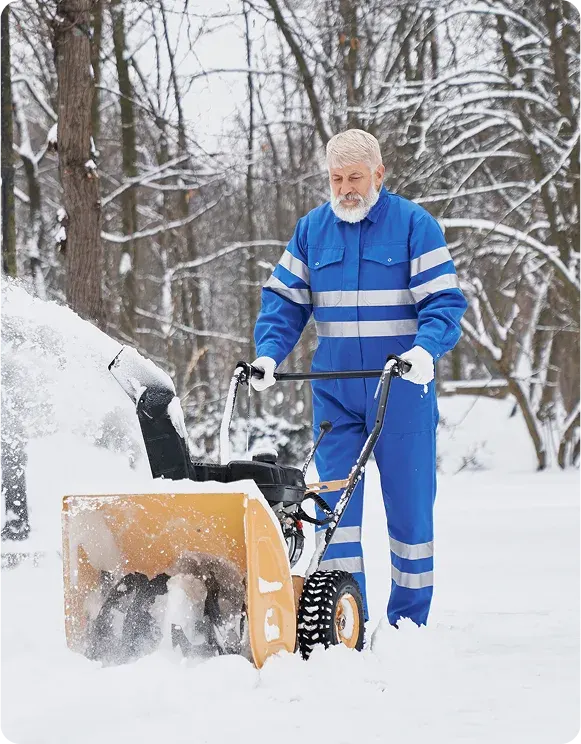
Legal Requirements for Snow Plow Operators
There is no single Ontario law that says you must purchase a “snow removal insurance” policy, but there are legal and contract requirements that effectively make coverage essential.
Auto insurance is legally required in Ontario: Ontario has compulsory automobile insurance and every vehicle registered in the province must be insured, with proof required to register or renew.
FSRA also states that all motorists are legally required to have auto insurance and outlines serious penalties for driving without valid coverage.Commercial contract requirements are common: Some cities and property managers require specific minimum limits and wording. For example, the City of Ottawa’s “Insurance Certificate Checklist” for snow plow vehicles specifies minimum limits of not less than $2,000,000 for motor vehicle liability for licensed vehicles, and not less than $2,000,000 for CGL for unlicensed vehicles and equipment, and includes additional insured requirements.
Even if a policy is not mandated by a single statute, your ability to legally operate vehicles and win contracts often depends on having the right coverage in place.
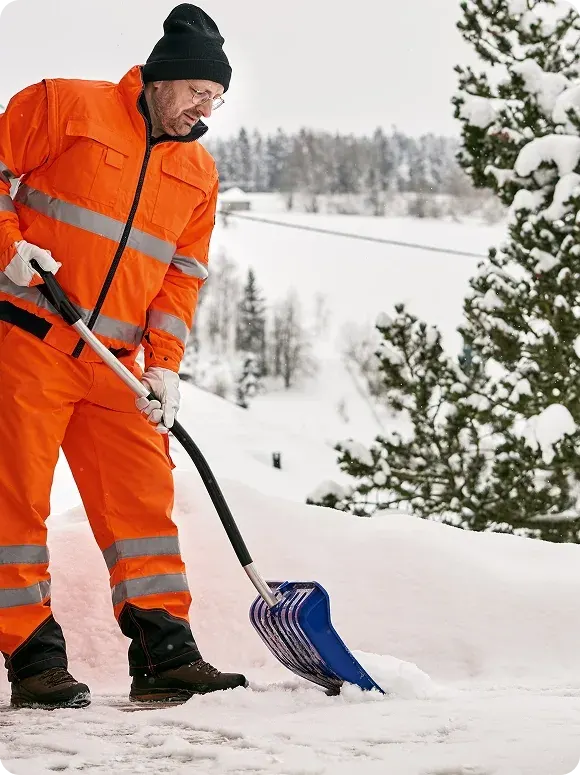
Why snow removal risk feels different in Ontario
Ontario winters create a higher frequency of incidents. There are limited markets for snow removal coverage. In addition, the market is even smaller for snow removal contractors that have revenues under $1,000,000 or are new to the industry
There is also an important legal backdrop for snow and ice claims. A practicePRO overview explains that Bill 118 amended Ontario’s Occupiers’ Liability Act and introduced a 60 day written notice requirement for personal injury claims caused by snow or ice, applying to occupiers and independent contractors employed to remove snow or ice.
This is not legal advice, but it highlights why documentation matters for snow removal contractors: service logs, weather notes, salt application records, and clear contract scope can be just as important as the insurance policy itself.
Choosing the Right Snow Removal Insurance
Factors to Consider When Selecting Coverage
The right snow plowing insurance in Ontario depends on what you do and where you do it.
Key factors include:

Scope of work:
plowing only, shoveling, salting, sanding, sidewalk maintenance, hauling snow off-site

Type of contracts:
residential driveways vs commercial lots vs condo corporations vs municipal roads

Fleet and equipment:
number of trucks, plows, spreaders, skid steers, tractors, loaders

Subcontractors:
who you hire, how they are insured, and how contracts allocate responsibility

Limits and deductibles:
your target liability limits (often $2M or more for commercial clients), and deductibles you can realistically absorb

Contract wording:
additional insured requests, waiver of subrogation, hold harmless clauses, and notice of cancellation requirements
Also consider whether your CGL has any exclusions related to snow plowing operations and whether endorsements are required to properly address your exposure.
Working with Insurance Brokers
Snow removal is a specialized market, and not every insurer wants this risk. Snow removal risks are not easy to place, and the market for coverage can be limited because of the high frequency of slip and fall incidents.
Working with a broker who understands snow removal helps you:

Access insurers that actually write snow removal in Ontario

Structure coverage to match your contracts and the way you operate

Avoid hidden exclusions that can derail a claim

Get certificates of insurance and contract wording handled quickly during peak season
Why Snow Contractors Choose CommercialInsurance.ca
Snow removal does not give you time for slow service or vague coverage. Contractors choose CommercialInsurance.ca
because we treat snow insurance like a risk program, not a commodity.
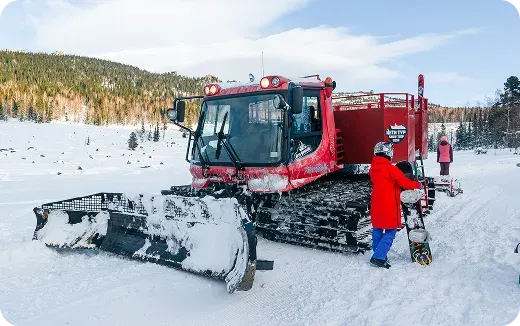 1
1We understand the risks in snow removal
We know what drives claims in this industry: slip and falls, property damage, collisions, and contract disputes. We use that experience to help you avoid coverage gaps and align insurance with how your jobs are actually performed.
Get Started Now! 2
2We make sure the insurance actually covers you
Snow coverage often comes down to details in wording, exclusions, and endorsements. The broker you are matched with can review your policy setup so you are not relying on assumptions, and help you through the process if you ever need to make a claim.
Get Started Now! 3
3We know the market today and as you grow
Whether you are a one-truck operator or building a fleet with subcontractors, we know which insurers are competitive for your current profile and which markets can support larger contracts and expansion.
Get Started Now! 4
4We are responsive, follow-up within 24 hours
Snow contracts move fast and clients demand certificates quickly. A professional in our network follows up within 24 hours, because delays can cost you work.
Get Started Now!
Frequently Asked Questions
How do I get a quote for snow removal insurance?
To quote snow removal insurance in Ontario, be ready to share your services (plowing, shoveling, salting), contract types (residential vs commercial), revenue, years in business, claims history, and a list of vehicles and equipment. Policies can be customized, and pricing depends on company size and scope.
Is snow removal insurance required by law in Ontario?
There is no single Ontario law that requires a standalone snow removal insurance policy, but you must carry auto insurance for any vehicle you drive on Ontario roads. If the vehicle is used for business or plowing, make sure your policy reflects that use, which usually means commercial auto coverage.
In practice, property managers, municipalities, and commercial clients often require proof of liability insurance and specific limits in order to award contracts.
What are common claims related to snow plowing?
Common snow removal claims include slip and fall allegations, property damage from plows and equipment, and vehicle collisions in poor weather conditions. Slip and falls, collisions, dangerous weather, and third-party lawsuits are the core risks for snow contractors.
What should I do after an accident or property damage incident?
Priorities are safety and documentation:
- Check for injuries and call emergency services if needed.
- Take photos and video of the scene, including weather conditions, timestamps, and the area serviced.
- Collect witness information if available.
- Notify the property contact (if applicable) and document all communications.
- Report the incident to your broker as soon as possible so a claim can be opened correctly.
Strong documentation is especially important in snow work because conditions can change quickly after you leave.
Do I need commercial auto insurance if I plow with a pickup truck?
Yes, if you are using the vehicle for business. Ontario requires auto insurance for registered vehicles, and FSRA states all motorists are legally required to have auto insurance.
You also need to ensure your insurer knows the vehicle is used for snow plowing and that the correct business use is reflected on the policy.
What liability limits do snow removal contractors usually need?
Many commercial clients and municipalities require $2,000,000 in liability coverage. As one example, the City of Ottawa’s insurance checklist references minimum limits of not less than $2,000,000 for motor vehicle liability for licensed snow plow vehicles and not less than $2,000,000 for CGL for certain unlicensed vehicles and equipment, plus specific certificate wording such as additional insured.
Your exact needs depend on your contracts, properties serviced, and risk profile.
Does Bill 118 reduce slip and fall liability for snow contractors?
Bill 118 amended Ontario’s Occupiers’ Liability Act so that no action for personal injury caused by snow or ice can be brought against an occupier or an independent contractor employed to remove snow or ice unless written notice is served within 60 days, with exceptions outlined in the legislation.
This is not legal advice, but from an insurance perspective it is a reminder that the liability environment is specific, and you still need strong contracts, strong documentation, and proper liability coverage.
Why do snow plow operators need liability insurance?
Liability insurance can help if someone alleges they were injured (for example, a slip and fall) or if your operations cause property damage. CGL can help cover third party injury costs and legal defence expenses in scenarios like slip and fall allegations.
What insurance do I need for a plow truck and trailer?
Most snow removal contractors need commercial auto insurance for their trucks and business vehicles, and many also need tools and equipment coverage for attached or transported equipment. If employees use personal vehicles or you rent vehicles, hired and non-owned auto coverage may be important.
Do slip and fall claims still happen even if we follow the contract?
They can. Snow removal has frequent slip and fall allegations, and some brokers note that contracts can attempt to transfer responsibility to the snow removal contractor. Ontario also has specific notice requirements for snow and ice injury claims under the Occupiers’ Liability Act framework, as summarized in practicePRO’s Bill 118 overview.
Protect your team too
Offer health, dental and life benefits your employees will value.
We also connect Ontario businesses with licensed benefits advisors, from two person teams to growing companies.
 5/5 rating on Google
The Commercial Insurance Difference: Feedback from those referred
Proactive Broker Relationship.
The most noticeable difference was the fact that I no longer felt that I was needed to manage the broker... the brokers came to me with proactive recommendations and knew when to push and shop the market and when not to. When the topic of business insurance comes up, I always refer fellow business owners.
Steve T
Security Blanket For My Business
I was always the type of customer that never believed in insurance and only really got it because I had to. Then I connected with a broker through Commercial Insurance.ca and they asked me questions no one else ever did and that's how I knew something was different. They took the time to understand and evaluate the risks. Well, I ended up getting some extra coverage (legal expense) and thank goodness I did. Something fairly innocent turned into something quite nasty and I didn't have to do too much... my coverage took care of it. Now I look at Insurance as a security blanket for my business.
Michael L
They had my back
No one likes buying insurance because it's a bit of a bet against yourself. You just hope that when the bad things happen that insurance will do what it said it would do in the first place. Their specialist stand behind the policy's that they bind. They never professed to get me the best price, but they did say they have my back, and have my back, they did.
Steph P