

Connect Now
Service & Support:
- Follow-up from a licensed broker within 24 hours
- Policy Review and Comparison
- Risk Assessment
- Help with certificates of insurance, policy changes and contract reviews
- Renewal planning well before your policy expires
Cargo Insurance
A broker can help you arrange cargo insurance that actually matches how you ship today, plus how you plan to grow tomorrow. They will move quickly, explain coverage in plain language, and if a claim happens, they stay involved so you are not left on your own.
Quick takeaways
Cargo insurance can cover goods shipped by land, air, or sea, and even while temporarily stored by a freight provider during transit.
Cargo insurance is not legally mandatory in Canada, but many businesses still need it to meet contract requirements and reduce financial risk.
Policies vary a lot. Some protect the cargo owner, others protect a carrier’s legal liability, and some combine options.

How CommercialInsurance.ca works
We are not an insurer or a broker. We find you the right one.
Matched by industry
We connect you with a broker who works with businesses like yours, not a generic call centre.
Licensed Ontario brokers
Insurance brokers in Ontario are licensed by the Registered Insurance Brokers of Ontario (RIBO).
Fast follow up
Once we receive your information, a professional in our network will connect with you within 24 hours.
No cost to be matched
Our referral service is free for businesses. You deal directly with the broker for quotes and coverage.
Understanding Cargo Insurance
What is Cargo Insurance?
Cargo insurance is coverage designed to protect the value of goods and products while they are being shipped. It can respond to physical loss, theft, or damage to the goods you ship, whether the shipment is moving across Ontario, across Canada, or across borders.
Many policies also recognize real world logistics. For example, cargo insurance can apply while goods are temporarily stored at a freight provider’s location during the transportation cycle.
Importance of Cargo Insurance in Shipping
Shipping is not just a logistics function. It is a customer experience and a financial risk point. Cargo insurance matters because:
It helps protect revenue when a shipment is damaged, lost, or stolen.
It supports customer relationships by helping you replace product quickly after an incident.
It gives you predictable protection when supply chains involve multiple carriers, warehouses, or modes of transport.
Cargo policies can also be structured as all risk or named perils, depending on how broad you want the protection to be.
Types of Cargo Insurance
Cargo insurance is not one single product. It is a category. The “right” setup depends on who owns the goods, who is legally responsible, and how shipments actually move.
Cargo Freight Insurance
Cargo freight insurance is often used to describe coverage for goods transported by land, especially when shipments move by truck or rail. “Land cargo insurance” is coverage for cargo moved by land, including risks like theft and collision damage.
If you are a carrier, you may also need a form of motor truck legal liability style coverage, which focuses on the carrier’s responsibility for loss of property in transit.
Practical examples of Ontario businesses that commonly look at cargo freight insurance:
Wholesalers and distributors shipping within Ontario and across provinces
Manufacturers moving parts and finished goods between facilities
E commerce businesses shipping high volumes of parcels
Trucking companies hauling cargo owned by others

General Cargo Insurance
General cargo insurance can be structured to protect shipments across multiple modes, including land, air, and sea. Cargo insurance can cover shipments over land, air, and sea, and while temporarily stored by a third party such as a courier or freight company.
Common policy formats include:
Open cargo insurance: Covers shipments for a period of time and allows for multiple shipments.
Single shipment cargo insurance: Covers one shipment at a time and is useful for occasional shipping.
Contingent cargo insurance: A backup approach for complex shipper and carrier situations, often used when the primary coverage does not respond the way you expected.

Specialized Cargo Insurance
Some shipments need specialized terms or endorsements because of the cargo type, the route, or the storage and handling requirements.
Examples of specialized needs:
Temperature sensitive goods (food, pharma)
High value items (electronics, specialty parts)
Imports and exports with warehouse staging
Project cargo and complex supply chains
Major insurers note that cargo insurance programs can be expanded with extensions like domestic transit movements, warehouse and storage, exhibition, and processing or consolidation risks.
Similarly, marine cargo solutions may provide “warehouse to warehouse” protection and can be expanded to include inland transit risks, storage, and processing.

Cargo Insurance in Ontario
Ontario businesses ship into, out of, and across the province every day. The risk profile is shaped by distance, weather, warehousing, and cross border trade. The right cargo insurance should reflect those realities.
Legal Regulations and Requirements
In general, cargo insurance is not legally required in Canada. However, businesses may still need it due to operational risk and contractual requirements.
If you are involved in international trade, insurance obligations may also be influenced by Incoterms in the sales contract. The International Chamber of Commerce notes that Incoterms 2020 provides different insurance expectations under CIF and CIP, including differing default levels of coverage.
If you ship by sea or have marine cargo exposures, Canada’s federal Marine Insurance Act is a core legislative reference for marine insurance contracts.
Finding the Right Coverage
In practice, “right coverage” means your policy matches these details:
What you ship (type, fragility, perishability, declared value)
Where it ships (Ontario only, Canada wide, US cross border, global)
How it ships (courier, LTL, full truckload, rail, air, ocean)
How often you ship (occasional single shipments vs continuous flow)
Where goods sit during transit (terminals, third party warehouses, consolidation points)
A key decision is whether your cargo insurance needs to cover only land transport or multiple modes. Inland marine insurance typically applies to products transported by land (truck, car, train) but not over water, while cargo insurance can cover shipments over land, air, and sea.
Cargo Insurance in Canada
Coverage Options across Provinces
Cargo insurance can be built to cover:
Shipments within Ontario
Shipments across provinces
Cross border shipping
Imports and exports
Some insurers describe cargo programs designed to cover goods in transit across sea, land, and international borders, and to add extensions for warehouse and storage exposures where needed.
For ocean cargo exposures, “warehouse to warehouse” structures are commonly referenced in marine cargo programs, with the ability to expand to inland transit and warehousing.


Choosing an Insurer
Cargo insurance in Canada is typically placed through brokers with insurers that write inland marine and marine cargo coverage.
The provider list is less important than the fit. The best policy is the one that matches your shipping reality, your contracts, and your financial exposure.
Common Misconceptions about Cargo Insurance
Myths vs Facts

Cargo insurance is mandatory in Canada.
Fact: It is generally not legally required, but business partners may require it and it can be a crucial protection against financial loss.
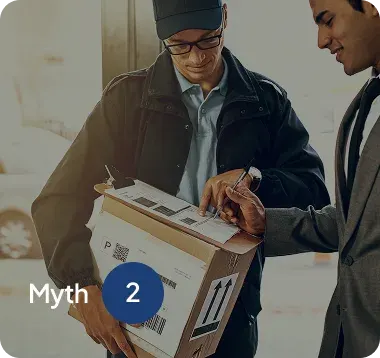
If the shipping company offers coverage, I do not need my own policy.
Fact: Carrier or courier coverage may not be sufficient for your loss, and it is often recommended to maintain your own cargo insurance to ensure adequate protection.

All cargo insurance is the same.
Fact: Coverage varies by policy type and structure. You can choose between all risk and named perils, and between open and single shipment formats, among others.
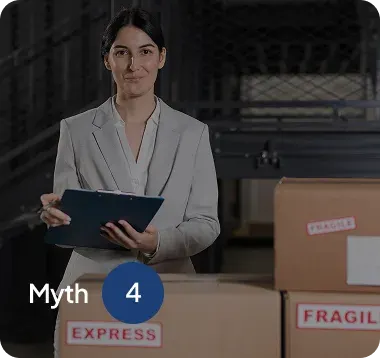
Poor packaging is “still covered”.
Fact: Inadequate packaging is a common exclusion. Poor packaging is a large reason a claim may not be covered.
How to File a Claim
Every insurer’s process differs slightly, but strong cargo claims tend to follow the same fundamentals.
Step-by-step guide
1

Protect the shipment and prevent further damage
If possible, stop loss from getting worse. Document what you did.
2

Document everything immediately
Take photos, keep damaged packaging, and record dates, times, and delivery conditions. Documentation and starting the claim quickly both matter.
3

Notify the right parties quickly
This may include the carrier, the consignee, and your broker. There can be time limits, so speed matters.
4

Collect core paperwork
Typical documents include:
Bill of lading or waybill
Invoice showing cargo value
Packing list
Delivery receipt noting damage or shortage
Photos and inspection reports
Police report for theft, if applicable
5

Work the claim through to settlement
This is where many businesses lose time. Clarifying coverage, exclusions, and documentation requirements early speeds up resolution.
Common pitfalls to avoid
Waiting too long to report the claim.
Missing documentation, missing photos, or discarding packaging.
Assuming a “simple courier claim” will match the true loss value.
Not understanding exclusions like poor packaging, defective products, or hazardous materials before a loss occurs
Why You Should CHoose a Broker
A cargo policy that looks fine on paper can fail when something actually happens.
 1
1Experience that identifies real shipping risk
A broker understand the day to day risk points across shipping, warehousing, and fulfillment. That helps them recommend coverage that matches your operations, not a generic template.
Get Started Now! 2
2Coverage that is built to respond, plus support when you need it
They focus on clear terms, clear limits, and clear expectations. If a claim happens, they stay involved and help you navigate the process so it does not stall.
Get Started Now! 3
3Market knowledge that supports growth
As your business expands into new provinces, new customers, and cross border shipping, coverage needs change. They can help you plan for today’s requirements and tomorrow’s contracts.
Get Started Now! 4
4Follow-up within 24 hours
Insurance is often urgent. Certificates, contract deadlines, shipment releases, lender requirements. A professional in our network will follow up within 24 hours.
Get Started Now!
If you want cargo insurance that supports your shipping revenue instead of becoming a compliance headache, a broker is built for that.
Frequently Asked Questions
What does cargo insurance cover?
Cargo insurance can cover physical loss, theft, or damage to the goods you ship, and can apply during transit and sometimes while goods are temporarily stored by a freight provider. Coverage commonly includes losses caused by events like fire, flood, theft, vandalism, and vehicle related accidents, depending on policy wording.
Is cargo insurance mandatory in Ontario or Canada?
Cargo insurance is generally not legally mandatory in Canada. However, business partners and contracts may require it, and it is often an important financial safeguard.
What is the difference between cargo insurance and inland marine insurance?
Cargo insurance can cover shipments over land, air, and sea, and may also cover goods temporarily stored by third parties during transit. Inland marine insurance typically applies to products transported by land only, such as by truck, car, or train.
What is cargo freight insurance?
Cargo freight insurance is commonly used to refer to coverage for goods shipped by land, such as by truck or other land based vehicles. Policies may be structured to protect the cargo owner’s interest or the carrier’s legal liability, so it is important to confirm what form you are buying.
Does cargo insurance cover goods stored in a warehouse during transit?
Many cargo policies can include coverage while goods are in transit and may apply while the goods are temporarily stored by a freight provider. Some cargo programs also offer extensions for warehouse or storage exposures.
What are common exclusions in cargo insurance?
Common exclusions can include damage from poor packaging, defective products, hazardous materials, and certain transportation mode restrictions, depending on the insurer and policy.
How much does cargo insurance cost in Canada?
Premiums are often calculated as a percentage of the total value of the goods being shipped, and pricing depends on factors like cargo value, frequency, route, and claims history.
Protect your team too
Offer health, dental and life benefits your employees will value.
We also connect Ontario businesses with licensed benefits advisors, from two person teams to growing companies.
 5/5 rating on Google
The Commercial Insurance Difference: Feedback from those referred
Proactive Broker Relationship.
The most noticeable difference was the fact that I no longer felt that I was needed to manage the broker... the brokers came to me with proactive recommendations and knew when to push and shop the market and when not to. When the topic of business insurance comes up, I always refer fellow business owners.
Steve T
Security Blanket For My Business
I was always the type of customer that never believed in insurance and only really got it because I had to. Then I connected with a broker through Commercial Insurance.ca and they asked me questions no one else ever did and that's how I knew something was different. They took the time to understand and evaluate the risks. Well, I ended up getting some extra coverage (legal expense) and thank goodness I did. Something fairly innocent turned into something quite nasty and I didn't have to do too much... my coverage took care of it. Now I look at Insurance as a security blanket for my business.
Michael L
They had my back
No one likes buying insurance because it's a bit of a bet against yourself. You just hope that when the bad things happen that insurance will do what it said it would do in the first place. Their specialist stand behind the policy's that they bind. They never professed to get me the best price, but they did say they have my back, and have my back, they did.
Steph P