Connect Now
Service & Support:
- Follow-up from a licensed broker within 24 hours
- Policy Review and Comparison
- Risk Assessment
- Help with certificates of insurance, policy changes and contract reviews
- Renewal planning well before your policy expires
Manufacturing Insurance
Manufacturing insurance protects your facility, equipment, products, people, and revenue when the unexpected happens. A strong program is not just a general business policy. It is a coordinated set of coverages designed for the way manufacturers actually operate, from raw materials to finished goods and delivery.
At CommercialInsurance.ca, we will connect you with a specializes broker to get coverage that is practical, correctly structured, and ready for real claims.

How CommercialInsurance.ca works
We are not an insurer or a broker. We find you the right one.
Matched by industry
We connect you with a broker who works with businesses like yours, not a generic call centre.
Licensed Ontario brokers
Insurance brokers in Ontario are licensed by the Registered Insurance Brokers of Ontario (RIBO).
Fast follow up
Once we receive your information, a professional in our network will connect with you within 24 hours.
No cost to be matched
Our referral service is free for businesses. You deal directly with the broker for quotes and coverage.
Understanding Manufacturing Insurance
Definition and importance
Manufacturing insurance is a tailored commercial insurance program designed for businesses that produce, assemble, process, package, or distribute goods. It is intended to help protect you from the operational risks that come with running a plant or facility, including property damage, third party liability, product-related claims, and income loss after an insured interruption.
It matters because manufacturers are exposed on multiple fronts at the same time:
You have property risk (building, inventory, machinery, tools)
You have liability risk (visitors, suppliers, contractors, third parties)
You have product risk (claims alleging injury or property damage from your goods)
You have revenue risk (shutdowns, delays, extra expenses)
You may have contract-driven requirements (limits, certificates, additional insureds)
A good manufacturing insurance program is built so a single incident does not turn into a business-ending event.
Key differences from general insurance
Manufacturing can outgrow a basic “general business” policy quickly.
Here is what makes manufacturing different:
High-value, specialized equipment
Production machinery is expensive to replace, and downtime can be more costly than the repair itself. Many manufacturers add equipment breakdown coverage and related downtime protection because standard property coverage may not fully address internal mechanical or electrical breakdown scenarios.
Product exposure beyond the plant
Your risk does not end when the product leaves your facility. Product liability claims can involve design, manufacturing, or labelling allegations.
Supply chain dependency
A disruption can cause missed deliveries, penalties, and lost customers. Business interruption coverage needs to match realistic restoration timelines, not optimistic ones.
Specialty add-ons often required
Many manufacturers need coverage beyond the basics, such as product recall expense, premises pollution liability, crime coverage, inland marine, or manufacturers errors and omissions (E&O) depending on contracts and services.
Types of Manufacturing Insurance
Most Ontario manufacturers use a package of coverages. The right mix depends on your products, processes, equipment, customers, and growth plans.
General Liability Insurance
Commercial General Liability (CGL) is the foundation for most manufacturing insurance programs. It is designed to protect your business against claims from third parties alleging bodily injury or property damage arising from your premises or operations.
Examples:
A supplier is injured while delivering raw materials
A visitor slips in a loading area
Your operations cause damage at a customer’s location during delivery or setup
CGL is also often where product liability is addressed, but the details matter. Your product, your territory, and your contracts can affect limits and exclusions.
Connect Now
Product Liability Insurance
If you manufacture, distribute, or sell products, product liability coverage is critical. It is designed to respond when a product is alleged to have caused third party bodily injury or property damage.
In manufacturing, product liability claims can involve:
Defective components
Contamination issues (industry dependent)
Labelling or instruction failures
Batch or lot defects
This is one of the most common areas where manufacturers get surprised by contractual requirements. Larger customers may require higher limits, additional insured status, or specific wording.
Connect Now
Property Insurance
Commercial property insurance helps protect physical assets such as:
Your building (if owned)
Contents and stock
Equipment and machinery
Improvements and betterments (if leasing)
The biggest mistakes we see are undervalued equipment schedules and outdated stock values. If values are wrong, your claim settlement can be wrong.
Business Interruption Insurance
Business interruption coverage is designed to help replace lost income and help pay ongoing expenses after an insured loss forces you to slow or stop operations. Many manufacturing policies include business interruption or allow it as an add-on, but it must be sized correctly.
For manufacturers, this coverage should be built around:
Your actual restoration timeline
Your gross profit exposure
Extra expense needs (overtime, temporary equipment, outsourced production)
Dependency on key suppliers or key customers when applicable
WSIB Coverage
In Ontario, workplace injury coverage is handled through the Workplace Safety and Insurance Board (WSIB). Manufacturing is one of the industries where WSIB coverage is mandatory, so most manufacturers with workers must register. WSIB explains that the Workplace Safety and Insurance Act lists which industries need to have coverage and which industries do not.
What this means for manufacturers:
You should confirm whether your manufacturing activity is in a mandatory coverage category.
If your business is not required to have WSIB coverage, you may still be able to apply for optional coverage.
A broker can help you coordinate your insurance program with your WSIB obligations.
Connect Now
Role of a Manufacturing Insurance Broker
A manufacturing insurance broker should do more than shop price. In manufacturing, a broker is often the person making sure the policy matches your contracts, your equipment realities, and your actual risks.
How to choose the right broker
When you are choosing a manufacturing insurance broker in Ontario, look for someone who:
Understands manufacturing operations, not just office-based businesses
Can explain how your coverages fit together, including gaps and overlaps
Has access to markets that actually write manufacturing risks
Can handle certificates, contract reviews, and mid-term changes quickly
Will stay involved if a claim happens
Questions to ask your broker
Ask these directly:
1
How will you confirm our property values and business interruption values are accurate?
2
What exclusions should we watch for based on our products and processes?
3
How do you handle product liability limits and U.S. sales exposure if we export?
4
Do we need equipment breakdown coverage, and how does it connect to downtime?
5
What does our customers’ contract language require, and can our policy meet it?
6
If we have a claim, what do you do beyond reporting it?
Broker vs direct insurance purchasing
Some manufacturers can buy basic coverage directly. The challenge is that manufacturing insurance is rarely “basic” for long.
A broker adds value when:
Your contracts require specific wording
You have complex property and BI values
You have multiple locations or warehousing
You are expanding product lines or sales territory
You need specialty add-ons like product recall, pollution liability, or manufacturers E&O
The best approach is whichever results in coverage that is actually usable when a loss happens.
Common Risks Faced by Manufacturers
Equipment failures
Equipment failure can trigger more than a repair bill. It can stop production, cause missed deliveries, and lead to customer claims. Manufacturing insurance often includes or can be expanded to include equipment breakdown and related downtime protection because manufacturer risks often go beyond basic liability, property, and auto.
This to focus on are:
Critical equipment identification
Repair and replacement values
Spare parts strategy and restoration timelines
Extra expense and business interruption limits that match reality
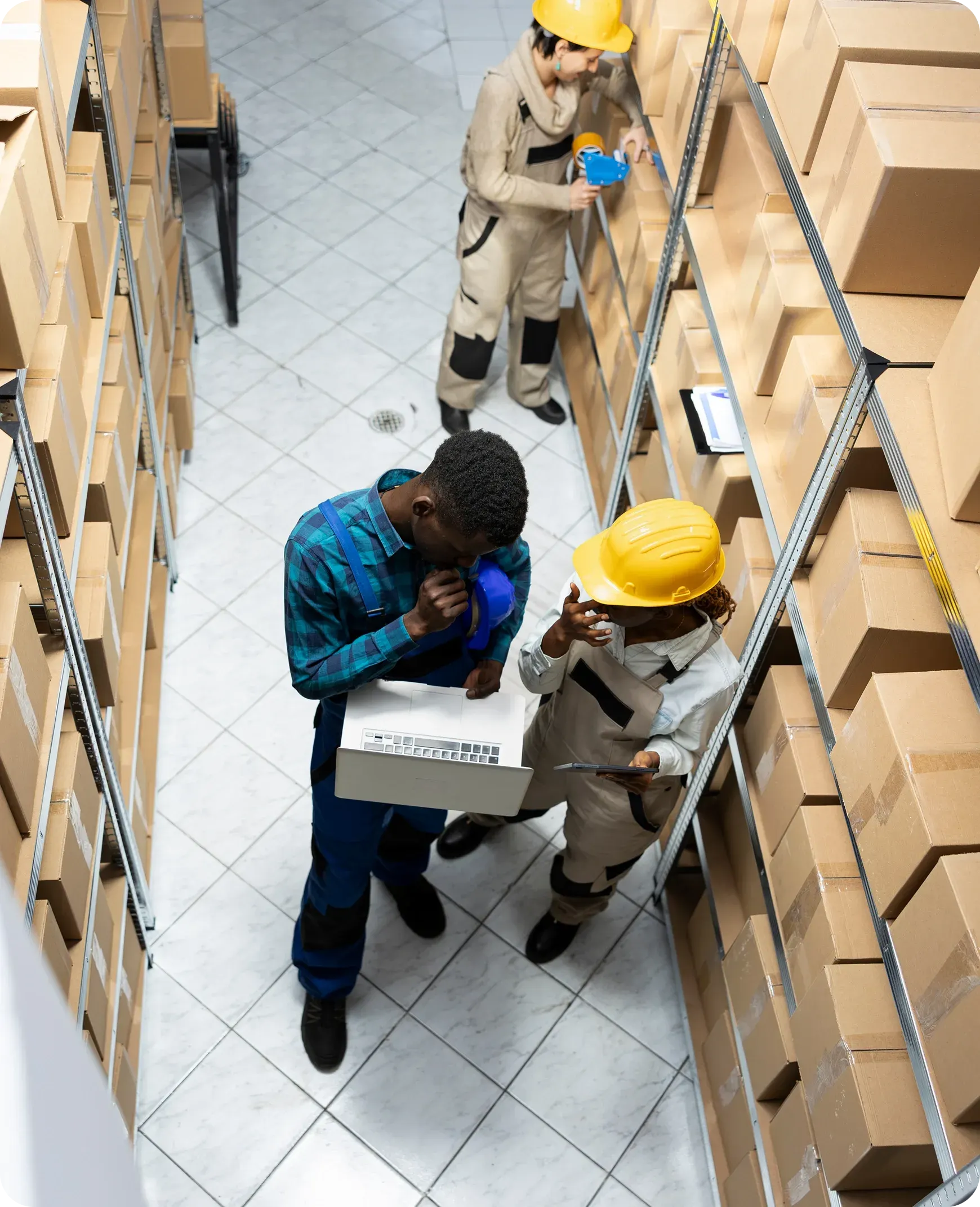
Supply chain disruptions
Supply chain issues can hit manufacturers hard, especially if you rely on a single supplier, a single critical component, or just-in-time production. While not every supply chain issue is insurable, a properly designed manufacturing program can help when disruption is triggered by an insured physical loss, such as a fire or major equipment breakdown.
A well shaped policy will help provide coverage around:
Physical loss triggers that cause shutdowns
Contingent exposures (supplier or customer dependency) where available
Contract language that pushes delays and penalties back to suppliers
Regulatory compliance issues
Manufacturers often face compliance requirements tied to safety, product standards, environmental controls, and workplace responsibilities. Insurance does not replace compliance, but it can help protect your financial stability when an incident triggers legal defence costs, remediation requirements, or third party allegations.
This is also where specialty coverages can matter, such as:
Premises pollution liability
Product recall expense
Manufacturers errors and omissions (E&O) for financial loss claims
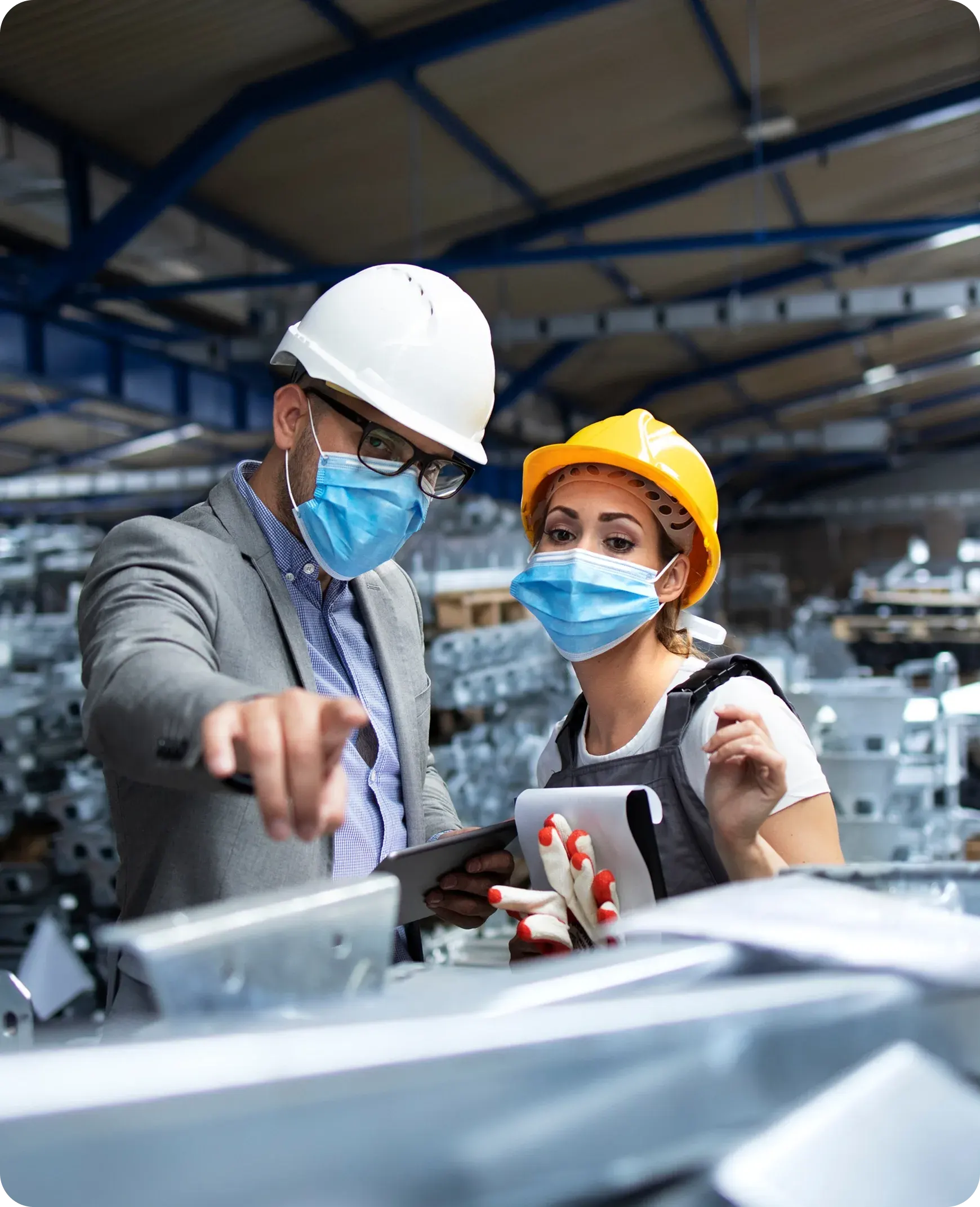
Manufacturers E&O can be relevant when the claim is not bodily injury or property damage, but financial loss because a product failed to perform. Manufacturers E&O coverage is designed to fill this gap by covering third party financial losses due to a product’s failure to perform, including manufacturing errors or defective materials.
Why You should Choose a Broker
Manufacturing insurance only works if the program is built correctly and supported properly when it matters.
 1
1They have the experience to understand the risks
They know manufacturing exposures are different from typical commercial risks, and they structure coverage around how your facility actually runs.
Get Started Now! 2
2They make sure the insurance actually covers you
They do not just quote premiums. They review wording, exclusions, values, and contract requirements so you do not learn about gaps during a claim.
Get Started Now! 3
3They know the market and plan for growth
As you add equipment, expand product lines, add locations, or sell into new markets, they adjust your coverage so it keeps up with your business.
Get Started Now! 4
4They are responsive.
A licensed professional in our network follows up within 24 hours. If you need a certificate, contract review, or quick clarification, your broker will move fast.
If you want a manufacturing insurance quote in Ontario or want a second opinion on your current program, we can connect you.
Get Started Now!
Conclusion and Next Steps
Importance of regular policy review
Manufacturers change fast. Your insurance should change too.
Review your manufacturing insurance at least annually, and also when you:
Buy or finance new equipment
Change products or materials
Expand facilities or warehouse space
Add U.S. sales or new distribution channels
Sign a new customer contract with insurance requirements
Experience a near miss, shutdown, or quality event
Getting quotes and comparing policies
When you request quotes, focus on more than price. Compare:
Coverage limits and deductibles
Property values and valuation basis
Business interruption structure and timeframe
Product liability wording and territory
Equipment breakdown coverage and downtime support
Contract requirements such as additional insured and certificate language
We will connect you with a Broker that will help you compare quotes on what actually matters: how the coverage responds when a claim is real.

FAQs about Manufacturing Insurance
What does manufacturing insurance typically cover?
Manufacturing insurance is usually a package including general liability, product liability, property insurance, and business interruption, with optional additions like equipment breakdown, product recall expense, crime coverage, and pollution liability depending on operations and risk.
How is manufacturing insurance different from general business insurance?
Manufacturers often need higher property limits, equipment breakdown protection, product liability tailored to their products and sales territory, and business interruption built around realistic restoration timelines. Many manufacturers also need specialty coverages like recall expense, pollution liability, and E&O .
Do Ontario manufacturers need product liability insurance?
If you manufacture, distribute, or sell products, product liability coverage is usually essential. It is designed to respond to claims alleging your product caused third party bodily injury or property damage. Many customer contracts also require proof of it.
Is WSIB mandatory for manufacturing businesses in Ontario?
Generally, yes. Manufacturing is one of the industries where WSIB coverage is mandatory in Ontario, so manufacturers must register, providing their information within 10 calendar days of hiring their first worker. You can confirm your classification directly with WSIB.
Do manufacturers need equipment breakdown insurance?
Many do. Equipment breakdown coverage is designed to help protect machinery from unexpected malfunctions that can shut down production. It is commonly added because manufacturing risk often goes beyond basic liability and property coverage.
What is Manufacturers E&O and do I need it?
Manufacturers E&O can help address third party financial loss claims when a product fails to perform and causes economic loss, even when there is no bodily injury or property damage. It is often considered when you have performance obligations, tight tolerances, design involvement, or contracts that push consequential loss back to you.
How can a manufacturing insurance broker help?
A broker helps you identify exposures, match coverage to contracts, verify values, access the right insurance markets, and support you through claims. For manufacturers, that guidance can be the difference between a policy that looks good and coverage that actually responds.
Protect your team too
Offer health, dental and life benefits your employees will value.
We also connect Ontario businesses with licensed benefits advisors, from two person teams to growing companies.
 5/5 rating on Google
The Commercial Insurance Difference: Feedback from those referred
Proactive Broker Relationship.
The most noticeable difference was the fact that I no longer felt that I was needed to manage the broker... the brokers came to me with proactive recommendations and knew when to push and shop the market and when not to. When the topic of business insurance comes up, I always refer fellow business owners.
Steve T
Security Blanket For My Business
I was always the type of customer that never believed in insurance and only really got it because I had to. Then I connected with a broker through Commercial Insurance.ca and they asked me questions no one else ever did and that's how I knew something was different. They took the time to understand and evaluate the risks. Well, I ended up getting some extra coverage (legal expense) and thank goodness I did. Something fairly innocent turned into something quite nasty and I didn't have to do too much... my coverage took care of it. Now I look at Insurance as a security blanket for my business.
Michael L
They had my back
No one likes buying insurance because it's a bit of a bet against yourself. You just hope that when the bad things happen that insurance will do what it said it would do in the first place. Their specialist stand behind the policy's that they bind. They never professed to get me the best price, but they did say they have my back, and have my back, they did.
Steph P